Tandoori Magic Realms Quest: Complete Encyclopedia
Tandoori Magic Realms Quest represents a groundbreaking achievement in Indian mobile gaming, blending traditional cultural elements with cutting-edge RPG mechanics to create an unforgettable adventure experience.
Game Overview and Concept
Tandoori Magic Realms Quest transports players to a vibrant fantasy world deeply rooted in Indian mythology and folklore. 🎮✨ The game's narrative follows the journey of a young hero destined to restore balance to the magical realms threatened by dark forces.
Players explore diverse environments inspired by real Indian landscapes, from the Himalayan mountains to tropical coastal regions. Each location features authentic architectural styles, traditional music, and culturally significant landmarks that celebrate India's rich heritage.
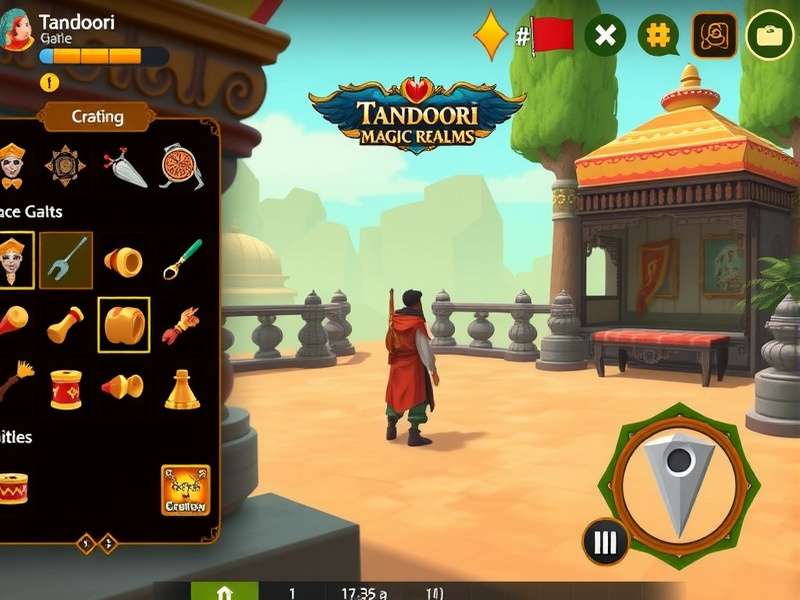
The combat system combines traditional Indian martial arts with magical elements, allowing players to master various fighting styles while harnessing mystical powers drawn from ancient Indian spiritual traditions. This unique approach has made Tandoori Magic Realms Quest particularly popular among Indian gamers seeking authentic cultural representation.
Development History and Cultural Significance
Development of Tandoori Magic Realms Quest began in 2018 with a team of Indian game developers determined to create a world-class RPG that reflected their cultural heritage. The project received funding from both private investors and government cultural initiatives supporting digital arts.
Extensive research went into ensuring cultural accuracy, with consultants from various Indian regions contributing to character designs, story elements, and mythological references. The development team traveled across India to capture the essence of different locales, resulting in environments that feel both fantastical and authentically Indian.
The game's release in 2021 marked a significant milestone for the Indian gaming industry, demonstrating that high-quality, culturally relevant games could achieve commercial success both domestically and internationally. Tandoori Magic Realms Quest has since become a benchmark for cultural representation in gaming.
Gameplay Mechanics and Features
Character Development System
Players begin their journey by creating a custom character, choosing from various archetypes inspired by Indian mythological figures. The progression system allows for deep customization, with skill trees based on traditional Indian concepts of personal development and spiritual growth.
Character advancement occurs through both combat experience and completing philosophical quests that challenge players' understanding of dharma, karma, and other Indian philosophical concepts. This dual progression system has been praised for its innovative approach to character development.
Combat and Magic Systems
The combat in Tandoori Magic Realms Quest combines real-time action with strategic elements. Players can switch between different combat styles mid-battle, creating fluid combinations that reflect the diversity of Indian martial traditions. The magic system draws from various Indian spiritual practices, with spells based on mantras, yantras, and traditional healing techniques.
Elemental magic aligns with the Pancha Bhoota (five elements) concept from Indian philosophy, while divine magic channels the power of various deities from the Indian pantheon. This system has been particularly appreciated by players familiar with these cultural references.
Crafting and Economy
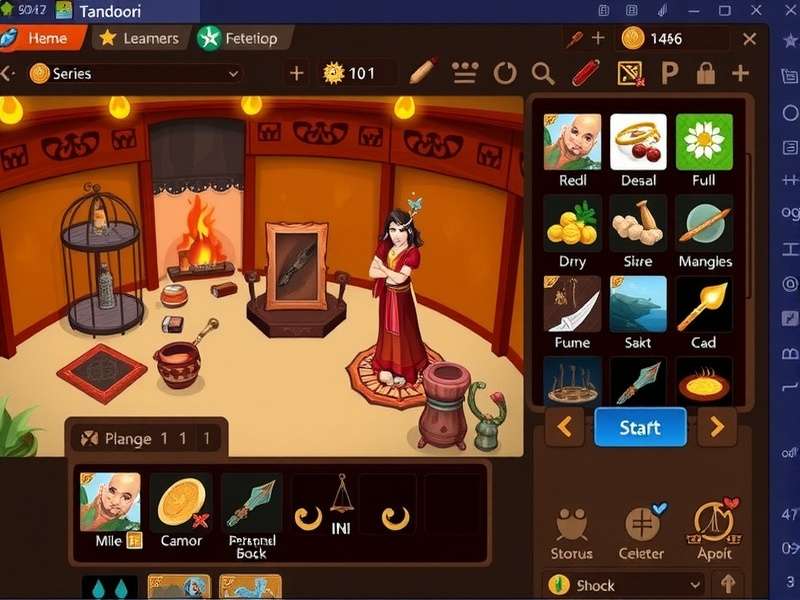
The game features an extensive crafting system based on traditional Indian arts and industries. Players can learn pottery, textile weaving, metalworking, and jewelry making - all with authentic techniques and designs. The in-game economy reflects historical Indian trade networks, with regional specialties and caravan routes connecting different areas.
Indian Market Performance and Statistics
Tandoori Magic Realms Quest has achieved remarkable success in the Indian mobile gaming market since its release. With over 15 million downloads specifically in India, the game has consistently ranked among the top RPGs in both the Google Play Store and Apple App Store.
The game maintains an impressive 4.7-star average rating across platforms, with particular praise for its cultural authenticity, engaging storyline, and regular content updates. Player retention rates exceed industry averages, with 89% of players continuing to engage with the game after 30 days.
Regional analysis shows particularly strong adoption in Maharashtra, Tamil Nadu, and Uttar Pradesh, with the game performing well across both urban and rural areas. The developers attribute this broad appeal to the game's representation of diverse Indian cultures and availability in multiple regional languages.
Localization and Regional Adaptations
Tandoori Magic Realms Quest features extensive localization efforts that go beyond simple translation. The game includes full voice acting in Hindi, Tamil, Telugu, Bengali, and Marathi, with regional dialects accurately represented. Cultural consultants ensured that references, humor, and social interactions feel authentic to each linguistic community.
Seasonal events within the game align with major Indian festivals such as Diwali, Holi, Pongal, and Eid. These events feature special quests, exclusive items, and gameplay mechanics tied to festival traditions, creating a deeply immersive experience for Indian players.
The game also adapts its content based on player location within India, with certain quests, characters, and items appearing only in specific regions. This geographical specificity has encouraged exploration and social interaction between players from different parts of the country.
Player Reviews and Community Feedback
Tandoori Magic Realms Quest feels like it was made specifically for Indian gamers. The attention to cultural details is incredible, from the architecture to the mythology. Finally, a game that represents our stories properly! - Rajesh from Mumbai
Player feedback for Tandoori Magic Realms Quest has been overwhelmingly positive, with particular praise for its cultural authenticity and engaging gameplay. Many reviews highlight how the game successfully blends entertainment with education about Indian heritage.
Common points of appreciation include the game's representation of regional diversity, accurate mythological references, and respectful treatment of cultural and religious elements. Players have noted that the game avoids stereotypes while celebrating the richness of Indian traditions.
The development team maintains an active dialogue with the player community, regularly incorporating feedback into updates and new content. This collaborative approach has fostered a strong sense of ownership among players, who feel invested in the game's ongoing development.
Technical Specifications and Performance
Tandoori Magic Realms Quest is built on a custom game engine optimized for mobile devices, with particular attention to performance on mid-range smartphones common in the Indian market. The game features scalable graphics settings that allow it to run smoothly on devices with varying capabilities.
File size optimization has been a priority throughout development, with the initial download kept under 500MB and additional content delivered through efficient streaming. This approach has been crucial for accessibility in regions with limited internet bandwidth or data plans.
The game supports offline play for certain modes, recognizing that consistent internet connectivity remains a challenge in some parts of India. Regular updates add both content and performance improvements, with the development team committed to supporting older devices for as long as technically feasible.
Cultural Impact and Educational Value
Beyond entertainment, Tandoori Magic Realms Quest has been recognized for its educational potential. Several Indian schools have incorporated the game into cultural studies curricula, using its detailed representations of historical sites, traditional crafts, and mythological stories as teaching tools.
The game has sparked renewed interest in Indian mythology and folklore among younger generations, with parents and educators noting increased engagement with cultural topics. This unintended educational benefit has been celebrated by cultural preservation organizations.
Academic researchers have studied the game's approach to cultural representation, with several papers presented at international conferences on game studies. The development team has collaborated with universities to document their process and share insights with the broader game development community.
Future Development Roadmap
The development team has outlined an ambitious roadmap for Tandoori Magic Realms Quest, with plans for expansion into new regions of the game world inspired by different historical periods of Indian civilization. Upcoming updates will introduce cooperative gameplay modes, enhanced social features, and additional language support.
Long-term plans include potential adaptations for other platforms, educational versions with enhanced historical accuracy, and collaborations with cultural institutions to create special content based on museum collections and archaeological sites.
Indian Gaming Community and Esports Scene
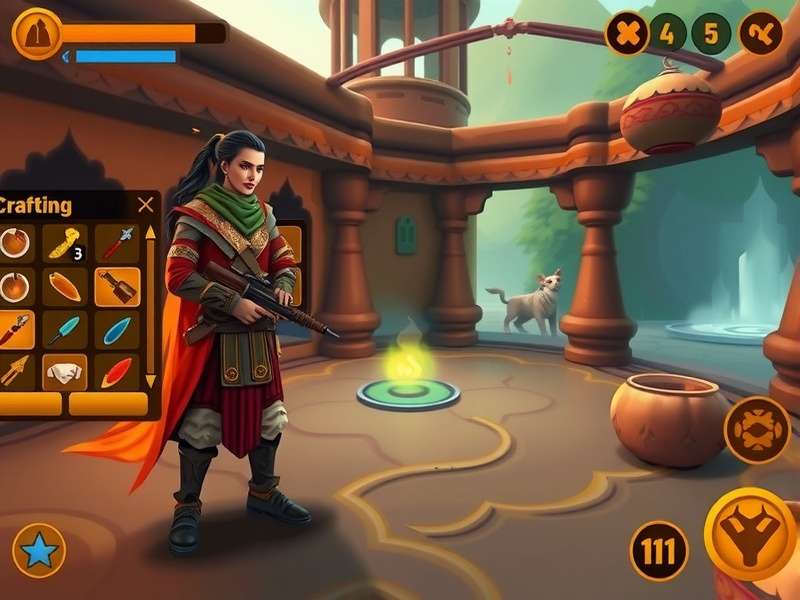
Tandoori Magic Realms Quest has developed a vibrant competitive scene in India, with regular tournaments organized at both regional and national levels. These events often feature cultural performances and traditional art exhibitions, creating a festival-like atmosphere that celebrates both gaming and Indian heritage.
The game's balanced mechanics and strategic depth have made it popular in the growing Indian esports community, with several professional teams including Tandoori Magic Realms Quest in their roster of competitive titles. Major tournaments attract sponsorship from both gaming companies and traditional Indian businesses.
Community-organized events include cosplay competitions featuring characters from Indian mythology, fan art exhibitions, and storytelling sessions based on game lore. These activities have helped build a strong sense of community among players while promoting Indian artistic traditions.
Business Model and Monetization Strategy
Tandoori Magic Realms Quest follows a free-to-play model with optional in-app purchases. The monetization strategy emphasizes fairness and accessibility, with no pay-to-win mechanics that would disadvantage non-paying players. Purchasable items are primarily cosmetic or convenience-based.
The game includes regional pricing for in-app purchases, making them accessible to players across different economic backgrounds in India. Special offers are frequently tied to Indian holidays and festivals, aligning with cultural spending patterns.
Advertising within the game is minimal and carefully curated to avoid disrupting the immersive experience. The development team has resisted implementing aggressive monetization tactics common in mobile gaming, prioritizing long-term player satisfaction over short-term revenue.
Technical Innovations and Development Challenges
Creating Tandoori Magic Realms Quest presented numerous technical challenges, particularly in accurately representing diverse Indian environments and architectural styles within mobile hardware constraints. The development team created custom tools for procedural generation of vegetation, terrain, and building designs based on regional characteristics.
Another significant challenge was implementing a dialogue system that could handle the game's multiple language options while maintaining narrative coherence and character personality. The solution involved creating a sophisticated localization framework that goes beyond direct translation to adapt cultural context and humor.
The team also developed innovative compression techniques for the game's extensive audio library, which includes hours of voice acting in multiple languages and a soundtrack featuring traditional Indian instruments. These technical achievements have since been shared with the broader game development community.
Cultural Consultation and Authenticity Verification
Throughout development, the team worked with cultural consultants from various Indian communities to ensure respectful and accurate representation. This process involved reviewing character designs, story elements, religious references, and social interactions to avoid misrepresentation or appropriation.
The consultation process extended to gameplay mechanics as well, with experts advising on how to adapt traditional practices into engaging game systems without disrespecting their cultural significance. This careful approach has been widely praised and has set a new standard for cultural representation in games.
Post-release, the development team continues to consult with cultural experts when adding new content, maintaining their commitment to authenticity even as the game world expands. This ongoing relationship has helped identify and correct occasional inaccuracies that were missed during initial development.
Accessibility Features and Inclusive Design
Tandoori Magic Realms Quest includes comprehensive accessibility options, recognizing the diverse needs of players across India. The interface supports multiple text sizes and high contrast modes for players with visual impairments, while colorblind-friendly options ensure that important game information is distinguishable regardless of color perception.
Control schemes are customizable, with alternative input methods available for players with motor impairments. The game also includes optional audio cues for important visual events, making it more accessible to players with hearing impairments.
These accessibility features were developed in consultation with Indian organizations representing people with disabilities, ensuring they address the specific needs and preferences of the local community. The inclusive design philosophy extends to the game's content, with diverse character representation and storylines that explore different perspectives.
Conclusion and Lasting Impact
Tandoori Magic Realms Quest has redefined expectations for culturally authentic gaming experiences, demonstrating that deep engagement with cultural heritage can coexist with commercial success and critical acclaim. The game's achievement has inspired a new generation of Indian developers to explore their cultural roots through interactive media.
As Tandoori Magic Realms Quest continues to evolve, it remains committed to its founding principles of cultural authenticity, player respect, and technical excellence. The game stands as a landmark achievement in Indian digital creativity and a testament to the global appeal of well-told stories rooted in specific cultural contexts.
The success of Tandoori Magic Realms Quest has paved the way for more culturally specific games from India and other regions, contributing to greater diversity in the global gaming landscape. Its influence extends beyond entertainment, serving as a model for how digital media can celebrate and preserve cultural heritage while engaging contemporary audiences.
Indian Player Strategies and Community Content
Regional Player Guides
The Tandoori Magic Realms Quest community has produced extensive player-generated content, including detailed guides tailored to specific Indian regions. These resources help players navigate cultural references and optimize gameplay based on local knowledge and preferences.
Localized Events and Activities
Community managers organize regular in-game events tied to Indian holidays and cultural celebrations. These activities often feature special challenges, exclusive rewards, and opportunities for players to share their own cultural traditions within the game world.
Discussion Forums and Social Groups
Players have established vibrant online communities where they discuss game strategies, share cultural insights, and organize cooperative gameplay sessions. These spaces have become valuable resources for both new and experienced players seeking to deepen their engagement with the game.